Recentic is reader-supported. When you buy through links on our site, we may earn a commission at no extra cost to you.
SpO2 stands for blood oxygen saturation, the percentage of your hemoglobin that is carrying oxygen at a given moment. Your lungs pull oxygen from the air, your blood transports it, and a healthy body keeps that supply steady throughout the day and night. For a long time, the only easy way to check this number was a fingertip pulse oximeter, the small clip you may have seen at a doctor’s office. Then smartwatches and smart rings started adding the same feature, and suddenly millions of people could glance at a blood oxygen reading on their wrist or finger. The big question is whether those readings can be trusted, and what they are actually good for.
This guide walks through what SpO2 measures, how wearables estimate it, how accurate that estimate really is, and how to think about the numbers without reading too much into them.
What counts as a normal SpO2
For most healthy people at sea level, SpO2 generally sits somewhere around 95 to 100 percent. Readings below that range can happen for many reasons, some harmless and some not, and a single number on a wearable does not tell you which is which. Altitude, a cold room, how you are sitting, and even a poorly positioned sensor can all nudge the figure.
This is general information, not a diagnostic threshold. A wearable reading that looks low is a reason to pay attention and, if you are concerned, to talk with a healthcare professional or use a proper medical device. It is not a result you should interpret on your own as a sign of any specific condition.
How wearables measure blood oxygen
Wrist and finger wearables measure SpO2 using light, a technique called optical sensing. For heart rate, these devices typically shine green light into the skin and watch how the reflected signal changes as blood pulses through. SpO2 needs a different approach because oxygen-rich blood and oxygen-poor blood absorb light differently.
To estimate oxygen, the device uses red and infrared LEDs, which penetrate deeper into tissue than green light. Oxygenated and deoxygenated hemoglobin absorb red and infrared light in different proportions, so by comparing how much of each color comes back, the sensor can estimate the ratio and translate it into an SpO2 percentage. It is a clever bit of physics, but it is still an indirect estimate based on light bouncing through skin, tissue, and blood vessels.
How accurate is it really?
Here is the honest answer. Consumer optical SpO2 is an estimate, and it is generally less reliable than a medical fingertip pulse oximeter, let alone a clinical blood test. The hardware in a watch or ring is smaller, sits against moving skin, and has to work through more variables than a dedicated clinical device.
Several everyday factors can throw the reading off. A loose fit lets ambient light leak in and lets the sensor drift away from the skin. Motion during the day creates noise in the signal. Cold fingers or wrists reduce blood flow to the surface, which weakens the data the sensor relies on. Skin tone can also affect how the light is absorbed and reflected. Because of all this, the smartest way to use a wearable SpO2 number is as a trend over time rather than an exact figure you act on in the moment. One reading of 94 instead of 97 usually says more about fit and conditions than about your health.
Why fit and skin tone matter
Fit is the single most controllable factor. If the device is loose, the sensor moves, light leaks in, and the estimate suffers. This is why most manufacturers recommend a snug placement and why readings taken while you are still tend to look cleaner than ones grabbed mid-activity. Motion artifacts, the noise created when the sensor shifts against your skin, are one of the main reasons daytime spot checks can be erratic.
Skin tone deserves a clear and honest mention. There are documented concerns that optical sensors, including the pulse oximeters used in clinical settings, can read less accurately on darker skin tones, because skin pigment influences how light is absorbed. Researchers and regulators have raised this issue, and it applies to wearables as well. If you have darker skin, this is a reason to lean even more on trends and to avoid treating any single reading as precise.
What SpO2 trends are good for
Even with all those caveats, SpO2 data has genuine value when you look at patterns rather than single points. The most useful application is overnight tracking. When you are still and asleep, the sensor gets a cleaner signal, and a series of readings over the night can reveal dips that you would never notice while awake.
Repeated overnight drops, especially alongside changes in heart rate and movement, can correlate with disrupted breathing patterns. That is a useful prompt to seek proper testing, not a diagnosis. A wearable cannot tell you that you have sleep apnea, but it can give you a reason to ask a professional about it. SpO2 trends are also handy for altitude acclimatization, since oxygen levels drop as you climb, and for general awareness of how your body responds to things like a heavy cold or a hard workout. For more on overnight data, see how smart rings track sleep.
Ring vs watch for SpO2
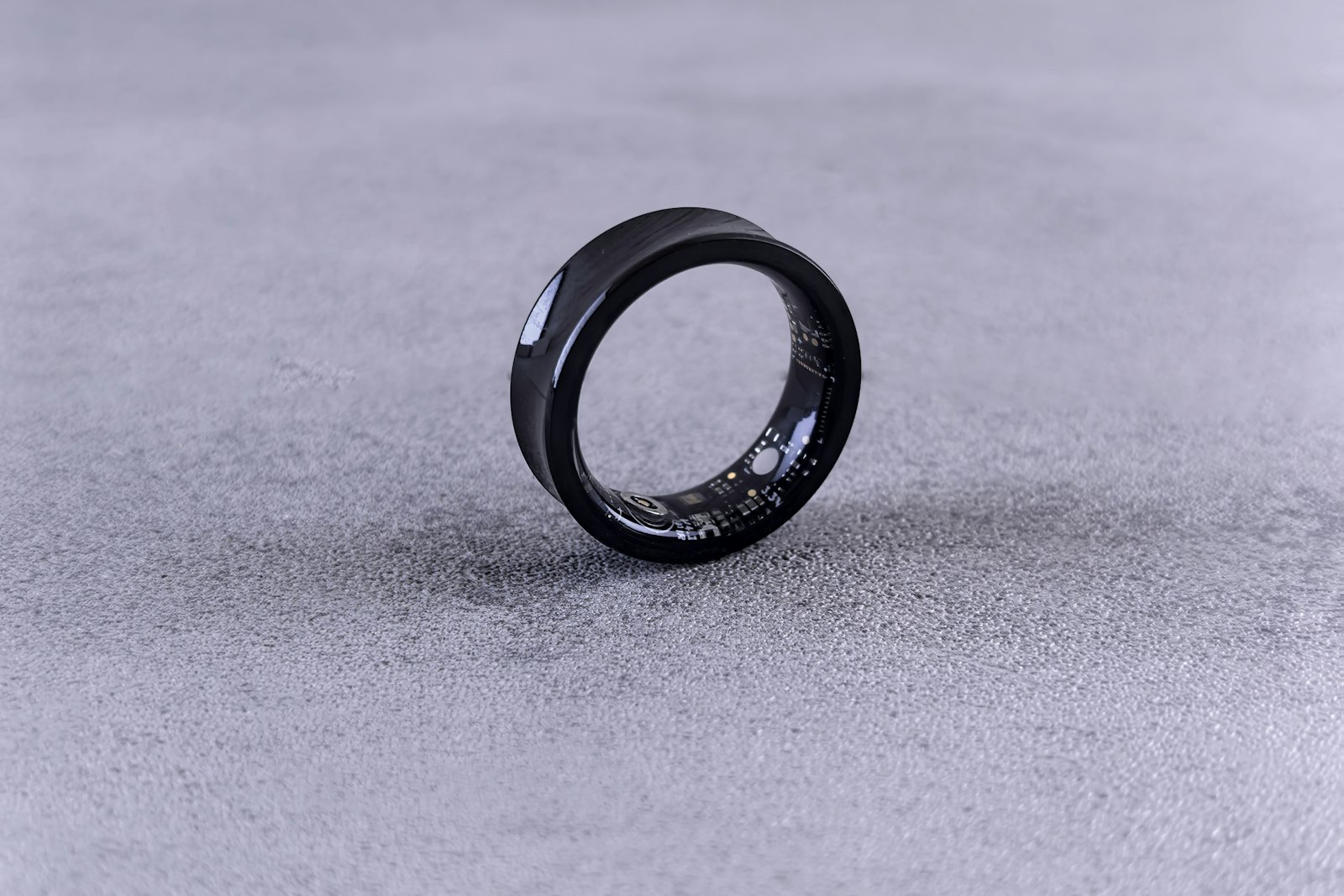
If overnight blood oxygen is your main interest, the form factor matters. A finger tends to give a cleaner signal than a wrist for a few reasons. The finger has rich blood flow near the surface, a ring wraps snugly all the way around, and there is usually less movement at the finger during sleep than at the wrist. Fewer motion artifacts mean fewer gaps and a more consistent overnight trend.
That does not make watches useless for SpO2, and many people are perfectly happy tracking trends from the wrist. But if clean overnight data is a priority, a ring often has a structural advantage. You can compare options in our guide to the best smart rings.
Frequently asked questions
Can a smartwatch detect sleep apnea?
No, a smartwatch cannot diagnose sleep apnea. It can flag patterns, such as repeated overnight dips in SpO2 paired with changes in heart rate, that may be worth investigating. If you notice those patterns or feel tired despite a full night of sleep, treat it as a prompt to discuss proper testing with a healthcare professional, not as a diagnosis.
Why is my SpO2 reading low?
A low reading on a wearable often comes down to the measurement itself rather than your health. A loose fit, movement, cold fingers, or ambient light can all pull the number down. Try taking a reading while warm, still, and with the device snug, then look at the overall trend. If you consistently see low readings and feel unwell, contact a healthcare professional rather than relying on the device alone.
Is wearable SpO2 medically accurate?
Wearable SpO2 is an estimate and is not a medical measurement. It is generally less accurate than a clinical pulse oximeter and is best used to spot trends, not to make health decisions. Wearables are not medical devices and should not replace professional testing or advice.
The bottom line
Wearable SpO2 is a useful feature when you understand its limits. It is an optical estimate, sensitive to fit, motion, temperature, and skin tone, and it is not as accurate as a clinical device. Read it as a trend rather than a precise number, lean on overnight data where the signal is cleanest, and let unusual patterns prompt a conversation with a professional rather than a self-diagnosis. Used that way, the blood oxygen number on your wrist or finger becomes a helpful piece of the bigger picture instead of a source of false alarms.
Last updated: June 2026. Recentic is editorially independent. Wearables are not medical devices and cannot diagnose, treat or prevent any condition; consult a healthcare professional for medical concerns.