Recentic is reader-supported. When you buy through links on our site, we may earn a commission at no extra cost to you.
Every morning your wearable greets you with a single number, and that number quietly shapes your day. A readiness score takes a pile of overnight signals (your heart rate, your sleep, your nervous system, your recent training) and condenses them into one figure that suggests whether you should push hard today or take it easy. The promise is simple: instead of guessing how recovered you are, you get a data-backed nudge. The reality is a little more nuanced, but understanding what the number means makes it far more useful.
If you have ever wondered why your Oura ring, Whoop band, or Garmin watch keeps flashing a recovery percentage at you, this guide explains exactly what those scores measure, how to read them, and where they tend to mislead.
What goes into a readiness score
Different brands use their own private formulas, and they do not publish exact weightings. Even so, most readiness scores draw on the same core set of physiological inputs measured while you sleep:
- Resting heart rate. A lower-than-usual resting heart rate often signals good recovery, while an elevated one can hint at fatigue, stress, or illness coming on.
- Heart rate variability (HRV). The variation in time between heartbeats, which reflects how balanced your nervous system is. This is usually the single most influential input.
- Sleep quality and duration. Both how long you slept and how well you cycled through the stages of sleep feed into the score.
- Body temperature trend. Most devices track your temperature relative to your own baseline, since a rise can flag illness, hard training, or other stress.
- Recent activity or strain. Yesterday’s workouts and overall load matter, because a hard session leaves a recovery debt that carries into the next day.
The device blends these together, compares them against your personal baseline, and returns one number. Because it leans on your own history, a score that looks low for one person might be perfectly normal for another.
The main brands and their names
One of the most confusing parts of the wearable world is that nearly every company calls this idea something different. Here is how the major players label essentially the same concept.
| Brand | Score name |
|---|---|
| Oura | Readiness |
| Whoop | Recovery |
| Garmin | Body Battery |
| Samsung | Energy Score |
| Ultrahuman | Dynamic Recovery |
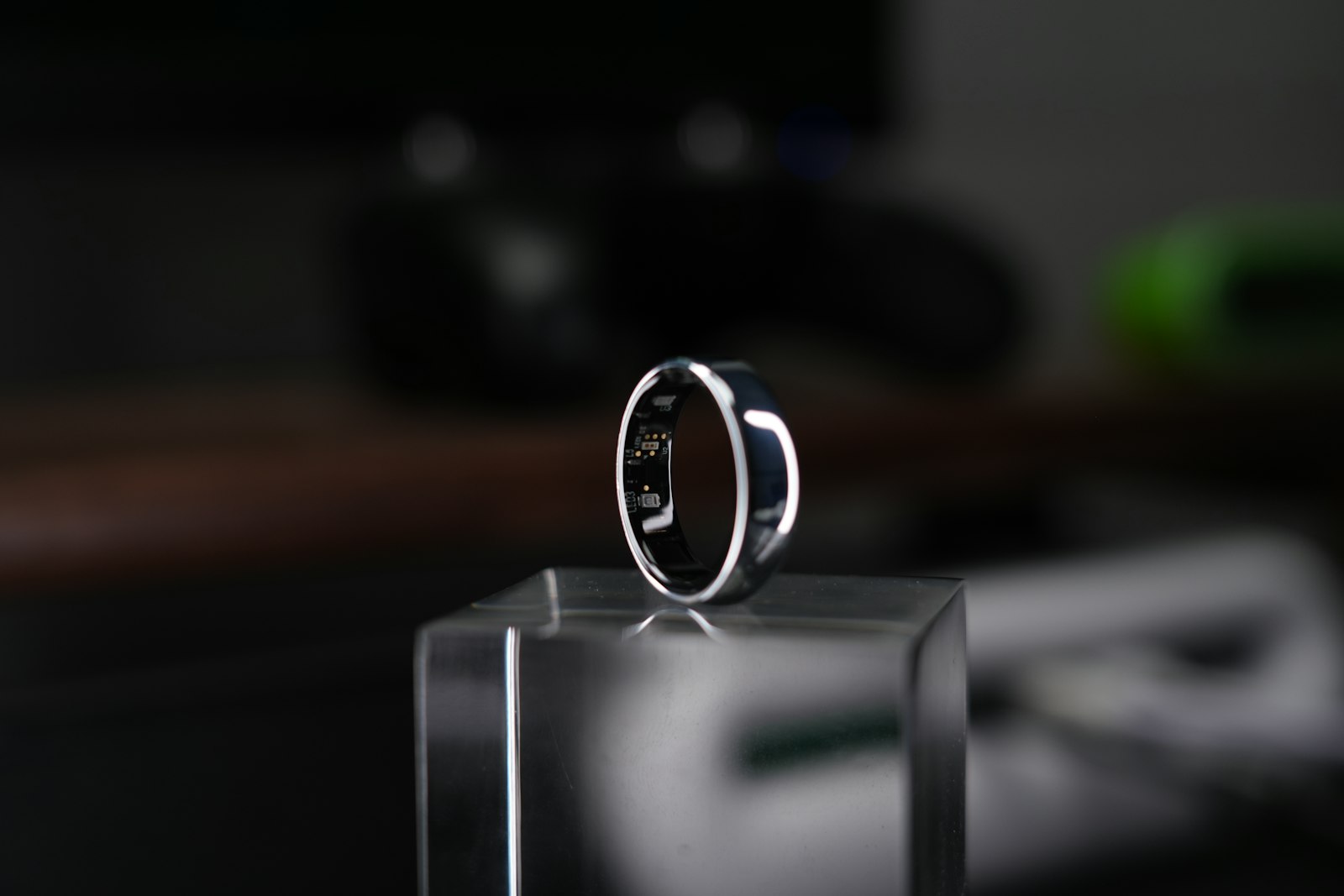
The names differ and the exact math differs, but the goal is shared: turn your overnight recovery into one easy-to-read figure. If you are shopping across categories, our guide to the best smart rings covers several devices that report this kind of score.
How to actually use the score
The biggest mistake people make is treating the number as a verdict. It is better understood as a nudge. Here is how to get real value from it.
Treat it as a suggestion, not a command. A high score does not obligate you to crush a workout, and a low score does not forbid movement. It is a starting point for a decision you still make, based on how you actually feel.
Look at the contributing factors, not just the headline number. A score of 62 tells you less than knowing that your HRV dipped while your sleep was fine. The breakdown points you toward what to adjust, whether that is bedtime, hydration, or training intensity.
Watch trends over time. A single low day means little. A week of declining scores is a clearer signal that you are accumulating fatigue, fighting something off, or simply not recovering between sessions. The pattern is far more reliable than any one reading.
Where readiness scores fall short
For all their usefulness, these scores have real limits, and knowing them keeps you from over-trusting the number.
First, they are estimates. Wrist and finger sensors are good, but they are not laboratory equipment, and small measurement quirks can move the score in ways that do not reflect your true state.
Second, they do not know your context. The device cannot see that you had a glass of wine with dinner, drank coffee late, traveled across time zones, or carried a stressful day into the night. All of those can drag a score down even when nothing is wrong, and the algorithm has no idea why.
Third, chasing a perfect score can backfire. People sometimes start to feel anxious about a mediocre number, which raises stress and, ironically, can lower the very metrics they are trying to improve. The score is meant to serve your training and rest, not to become another source of pressure.
HRV is the engine
If readiness scores have a beating heart, it is HRV. Heart rate variability measures the tiny differences in timing between consecutive heartbeats, and it offers a window into your autonomic nervous system, the part that governs the balance between stress and recovery. When you are well rested, that variability tends to be higher; when you are fatigued, stressed, or unwell, it tends to drop.
Because HRV responds so quickly to changes in your physical and mental load, most readiness formulas lean on it more heavily than any other single input. That is why two people who slept the same number of hours can wake up to very different scores. If you want to understand the metric that drives so much of this, read our explainer on heart rate variability (HRV).
Frequently asked questions
What is a good readiness score?
Most readiness scores run on a 0 to 100 scale, where higher is better, and many people treat roughly 70 and up as a green light to train hard. That said, the most meaningful comparison is against your own baseline rather than a universal cutoff. A 65 might be normal for you, while another person feels great at 80. Track your personal range over a few weeks and judge each day against that, not against someone else’s number.
Why is my readiness low after good sleep?
Sleep is only one ingredient. If your HRV dropped, your resting heart rate climbed, or your body temperature rose overnight, the score can fall even after a full night in bed. Common culprits include alcohol, a late caffeine hit, a hard workout the day before, travel, illness brewing, or plain stress. A solid night of sleep helps, but it cannot fully cancel out those other signals.
Which wearable has the best readiness score?
There is no single winner, because the right device depends on your needs. Oura and Ultrahuman favor people who want a discreet ring, Whoop appeals to athletes who want deep training analysis, and Garmin suits those who want Body Battery built into a full sports watch. The accuracy of the underlying sensors matters more than the brand name on the score, so choose the form factor and ecosystem that you will actually wear every day.
Conclusion
A readiness score is a genuinely helpful shortcut, a way to glance at your recovery without parsing a dozen separate metrics. Used well, it nudges you toward harder training on strong days and more rest when your body is asking for it. Used poorly, it becomes a number to obsess over. Treat it as informed guidance, pay attention to the factors behind it, follow the trend rather than the daily blip, and always weigh it against how you genuinely feel.
Last updated: June 2026. Recentic is editorially independent. Wearables are not medical devices and cannot diagnose, treat or prevent any condition; consult a healthcare professional for medical concerns.